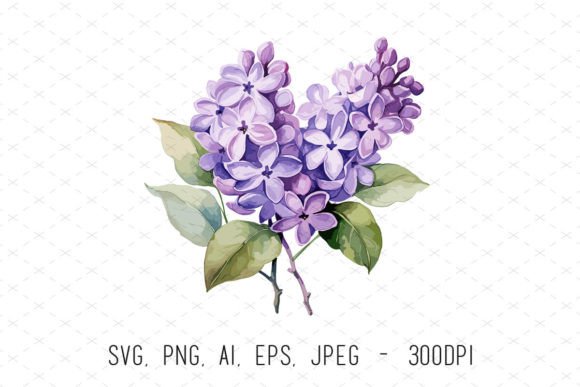
Lilac Flowers Floral Watercolor Clipart
A Soft, Springlike Whisper—Not a Shout
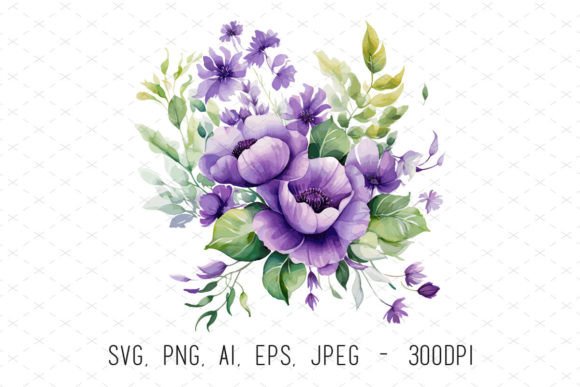
First impression? This Lilac Flowers Floral Watercolor Clipart feels like a quiet exhale—delicate, airy, and gently expressive. It’s not bold or graphic; it leans into soft edges, subtle gradients, and organic flow. The lilac clusters bloom with loose, painterly confidence—no rigid symmetry, no over-rendered petals. That watercolor quality translates beautifully to embroidery when handled thoughtfully: think satin-stitched blossoms with gentle fill-stitch centers, or light running-stitch outlines that echo brushstrokes. It’s the kind of design that whispers “handmade care,” not “mass-produced clipart.” Perfect for a boutique baby onesie, a linen tea towel for a spring kitchen, or an embroidered patch on a denim jacket worn to a garden wedding.
Where It Truly Shines in Real Embroidery Projects
I recently tested Lilac Flowers Floral Watercolor Clipart as the focal motif on a custom cotton-linen tote bag for a local florist’s pop-up shop. The result was unexpectedly warm and cohesive—soft purple thread (DMC 211 and 212) stitched over natural fabric gave the piece a tactile, artisanal feel. Customers paused to touch the stitching, commenting on how “light” and “alive” the flowers looked—not flat or pixelated, but dimensional and intentional.
It works especially well for:
- Personalized gifts: Embroidered on a baby blanket or nursery pillow cover, the design reads as tender and timeless—not trendy or dated.
- Small shop merchandise: As a subtle chest logo on a relaxed-fit sweatshirt or apron, it adds quiet sophistication without overwhelming the garment.
- Etsy listings and printable mockups: Its illustration roots make it ideal for digital product previews—layered cleanly over neutral backgrounds, it communicates craft value instantly.
- Holiday and wedding embroidery: Paired with soft greens or ivory thread, it fits seamlessly into Easter, Mother’s Day, or bridal shower collections—especially on handkerchiefs, napkins, or keepsake sachets.
Where Caution Is Warranted
This isn’t a one-size-fits-all machine embroidery design. Its watercolor softness becomes a liability if pushed too far:
- Small hoop sizes (under 4"): Fine petal details and delicate stems may collapse or stitch inconsistently. Prioritize simplified versions—or rework key elements manually before digitizing.
- Textured or stretchy fabrics: On terry cloth towels or ribbed knit tees, the low-contrast, blended edges can blur. Use medium-weight cutaway stabilizer and reduce stitch density slightly to preserve definition.
- Dark or heavily printed backgrounds: Since the original clipart relies on light-to-medium tonal variation, avoid placing it directly onto black fabric without adjusting thread values or adding a subtle underlay.
- Curved surfaces (caps, curved patches): The natural asymmetry works *for* curvature—but test placement first. A stem angled across a crown seam can distort visually unless digitized with gentle curve compensation.
What It Adds—Beyond Just Pretty Petals
Using Lilac Flowers Floral Watercolor Clipart thoughtfully elevates more than aesthetics—it builds trust. Customers recognize handmade intention when they see thoughtful color transitions, balanced negative space, and botanical accuracy (yes, lilacs have that distinct clustered inflorescence). For an Etsy seller, that translates to fewer returns, more repeat buyers, and stronger brand consistency across products—from embroidered tea towels to matching greeting cards using the same illustration assets.
It also supports giftability. A personalized sweatshirt with this design doesn’t scream “custom order”—it feels like a curated, meaningful object. That emotional resonance matters, especially for baby embroidery, holiday embroidery, or wedding gifts where sentiment is part of the value.
Practical Notes Every Embroidery Designer Should Check
Before committing to a full run—whether for your own craft business or a client’s commercial embroidery project—do these six things:
- Test on scrap fabric that matches your final substrate—same weight, weave, and stretch.
- Review thread color contrast in both natural and artificial light. Soft purples recede easily; sometimes a single tone shift (e.g., from DMC 211 to 208) makes all the difference.
- Inspect stitch density in the flower centers. Overly dense fill stitches can cause puckering on lightweight cottons—adjust if needed.
- Confirm hoop size compatibility with your machine and intended placement (e.g., left chest vs. full back).
- Try a black-and-white mockup—if the design loses legibility or balance without color, it may need structural tweaks before digitizing.
- Verify licensing terms for commercial use. Since this is categorized under Illustrations and Graphics, confirm whether resale of finished embroidered items or inclusion in digital embroidery files is permitted.
A Design That Earns Its Place
Lilac Flowers Floral Watercolor Clipart isn’t flashy—but it’s honest. It doesn’t try to be a statement logo or a maximalist pattern. It’s a refined, seasonal note that works because it respects the medium: embroidery’s texture, thread’s luminosity, and the human hand behind every stitch. Whether you’re designing a custom apparel line, building a small shop product catalog, or preparing a heartfelt personalized gift, this clipart earns its place when treated with attention—not just applied as decoration. Let it breathe. Give it the right stabilizer, the right thread, the right fabric. And watch how often customers ask, “Who made this?”