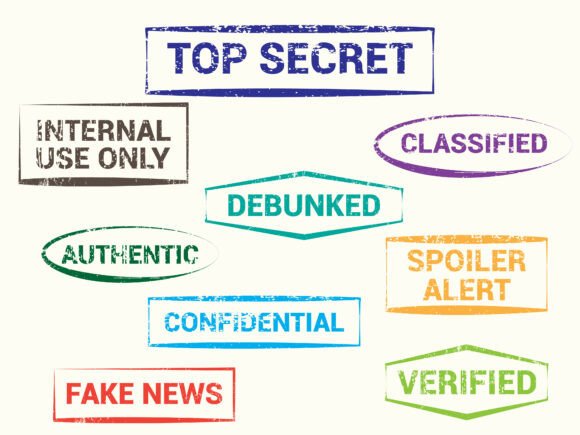
Stamp Seal Bundle Vintage Rubber Stamp
First Impressions: That Instant “Official” Vibe — But Does It Stitch Clean?
Unzipping the Stamp Seal Bundle Vintage Rubber Stamp feels like opening a drawer in an old apothecary—ink-stained, slightly weathered, and full of quiet authority. These 25 designs aren’t flashy or trendy; they’re grounded in mid-century office aesthetics: bold outlines, tight kerning, crisp “TOP SECRET,” “APPROVED,” “CONFIDENTIAL,” and retro seal motifs with scalloped edges and central monograms. As an embroidery designer who’s stitched everything from baby onesies to boutique aprons, my first thought wasn’t “cute”—it was “Will this hold up at 2.5 inches tall on a linen tea towel?” The answer depends less on charm and more on construction—and that’s where real-world testing begins.
A Real Project Test: Embroidering “APPROVED” on a Linen Kitchen Towel
Last week, I used one of the smaller stamp designs (a compact 1.75″ circular “APPROVED” seal) on a heavyweight natural linen towel for a local kitchenware shop. Why this combo? Linen’s slub texture eats detail, and towels get washed hard and often. I paired it with a medium-weight cutaway stabilizer and matte cotton thread—no metallics, no variegateds. The result? Crisp outer ring, legible lettering, and zero puckering. The vintage rubber stamp style actually worked *in favor* of embroidery: thick outlines translated beautifully into satin stitch borders, and the minimal internal detail avoided dense fill-stitch traps. Customers loved the tactile, handmade authenticity—not “digital,” but *deliberate*.
Where This Bundle Shines in Real Embroidery Work
- Custom apparel: Works especially well on structured items—canvas tote bags, denim jackets, and unstructured sweatshirts—where bold, graphic impact matters more than fine linework.
- Baby embroidery: Smaller seals (like the “BORN” or “BABY” variants) scale cleanly down to 1.25″ on onesies—just avoid the most intricate corner flourishes on ultra-thin interlock knit.
- Embroidered patches: These are natural patch candidates. Their self-contained shape, strong perimeter, and low-detail interiors mean clean tear-away backing and consistent results across batches.
- Holiday & wedding gifts: “CONFIDENTIAL” on a velvet pouch or “OFFICIALLY BLESSED” on a linen napkin adds playful ceremony—ideal for Etsy sellers building themed gift collections.
- Boutique branding: When stitched subtly on garment hems or pocket flaps, these lend artisanal credibility without shouting. Think café aprons or craft fair totes.
Where to Proceed With Care
This isn’t a one-size-fits-all embroidery file. The Stamp Seal Bundle Vintage Rubber Stamp demands thoughtful placement:
- Small hoop sizes (under 4″): Avoid the largest multi-element seals—they’ll crowd the hoop and risk thread breaks on tight curves.
- Stretchy fabric (like jersey or rib knits): Requires excellent stabilization. Skip the versions with thin connecting lines between text and border—they can distort.
- Dark fabric: Test contrast early. Some “stamped” gray tones in the original graphics may translate poorly unless you manually adjust thread color to true black or cream.
- Curved surfaces (caps, curved pillow fronts): Stick to the simplest circular or rectangular seals—avoid those with asymmetrical banners or angled text blocks.
- Frequent-wash items (baby clothes, kitchen linens): Confirm stitch density isn’t too sparse—gaps in the outer ring will fray over time. A light fill behind key letters helps longevity.
Design Integrity Meets Customer Perception
What makes the Stamp Seal Bundle Vintage Rubber Stamp commercially smart isn’t just its retro appeal—it’s how it signals intention. Unlike generic script fonts or clipart-style icons, these feel *designed*, not assembled. That translates directly to perceived value: a customer paying $48 for a custom-embroidered apron notices the weight of that “INSPECTED” seal far more than they notice a generic heart motif. For Etsy sellers and small shop owners, that subtle professionalism builds trust—especially when selling digital embroidery files or printable mockups. Buyers assume care went into selection, not just convenience.
Practical Designer Notes Before You Stitch
Before committing to a client project or production run, here’s what I always do with bundles like this:
- Test the design on scrap fabric matching your final substrate—linen, terry, fleece, or cotton poplin—and note how stabilizer choice affects edge sharpness.
- Check thread color contrast in both natural and artificial light. What reads as “vintage sepia” on screen may stitch as muddy brown on oatmeal fabric.
- Zoom in on tiny details: Are “TOP SECRET” serifs distinct enough at 1.5″? Does the inner circle line remain continuous, or does it break into dashes under dense satin stitch?
- Run a black-and-white mockup. If the design loses legibility without color cues, it’s not ideal for high-contrast applications like dark sweatshirts.
- Compare performance on light vs. dark backgrounds. Some seals include subtle shadow layers—those may need manual removal for clean stitching on black fabric.
- Verify licensing scope. Since this is categorized as Illustrations and Graphics, confirm whether commercial use of finished embroidered products—or resale of derivative digital embroidery files—is permitted.
Final Thought: A Thoughtful Tool, Not a Magic Button
The Stamp Seal Bundle Vintage Rubber Stamp won’t replace custom lettering or complex applique designs—but it fills a precise, valuable niche: instant, trustworthy, tactile authority. It’s the kind of asset that elevates a simple tote bag into a curated product, turns a baby bib into a keepsake, and gives a holiday market stall visual cohesion. Used intentionally—not as filler—the right stamp seal doesn’t just decorate. It validates. And in handmade commerce, that quiet confidence is worth every stitch.