Rainbow Bunny Illustration
First Impressions: Soft, Playful, and Purpose-Built for Little Hands
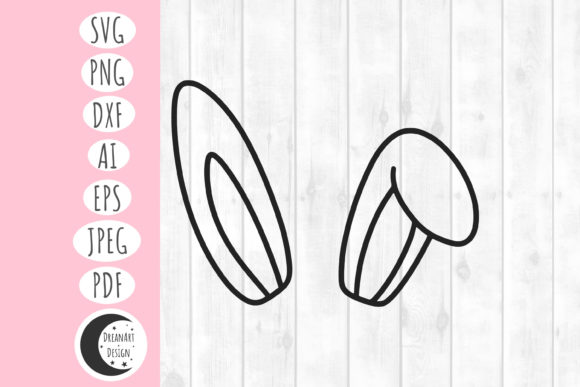
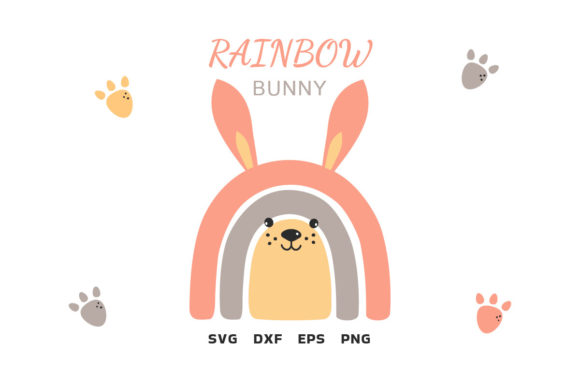
When I opened the Rainbow Bunny Illustration file, what struck me wasn’t just the pastel palette—it was how immediately *childlike* it felt without tipping into cutesy overload. The silhouette is rounded and approachable, with gentle curves in the ears and a subtle bounce in the pose. It’s not overly detailed, but it’s not minimalist either—there’s just enough line definition to hold shape under stitch, and the rainbow motif flows organically across the bunny’s back like a soft ribbon, not a rigid stripe. This isn’t a design shouting for attention; it’s one that invites touch, fits naturally on a onesie hem or a tea towel corner, and feels like it belongs in a thoughtful handmade product—not mass-produced decor.
A Real Project Test: Embroidering It onto a Linen-Cotton Kitchen Towel
Last week, I used the Rainbow Bunny Illustration as the centerpiece for a set of embroidered kitchen towels for a local boutique’s spring launch. We chose natural linen-cotton blend—medium weight, slightly textured, and prone to puckering if stabilizer or stitch density isn’t dialed in. I hooped it with medium tear-away + light cutaway backing (a must for textured fabric), reduced the fill stitch density by 10% in the rainbow bands, and ran a test on scrap first. The result? Clean satin-stitched outlines held their shape, the pastel gradients translated well into thread (I used DMC 3865, 3867, 3045, 3829, 3817), and the bunny kept its friendly expression—even at 3.2" wide. Customers loved how “soft” it looked—not stiff or pixelated—and several asked if it came in a matching patch version (it doesn’t, but it *could*, with minor adaptation).
Where It Shines (and Where It Needs Thought)
- Custom apparel: Works beautifully on sweatshirt cuffs, baby bodysuit backs, and toddler apron pockets—its scale and simplicity prevent overcrowding.
- Embroidered patch potential: Clean outer edges and minimal internal detail make it highly adaptable for heat-applied or sew-on patches (just confirm clean jump stitches in your embroidery software).
- Baby embroidery & nursery decor: Gentle color story and non-gendered charm suit unisex gifting—ideal for milestone blankets, crib mobiles, or organic cotton bibs.
- Holiday embroidery: Surprisingly versatile—swap pastels for jewel tones and it reads as Easter, spring, or even early summer birthday gear.
- Etsy seller advantage: Stands out in search results for “rainbow embroidery design” or “bunny SVG for kids” while avoiding overused clipart energy.
Use With Care: Practical Boundaries You’ll Want to Respect
The Rainbow Bunny Illustration is charming—but charm doesn’t override physics. On stretchy knits (like jersey tees), skip direct-embroider and opt for an applique design base instead. On dark fabric, those pastel threads need high-contrast underlay or a white topping stabilizer to avoid dulling. And on curved surfaces—think caps or bucket hats—the ears and tail may distort unless you digitize a version with adjusted pull compensation. Tiny corners (like where the ear meets the head) can trap thread or cause skipped stitches on older machines, so always inspect those areas in your embroidery software preview. Also, avoid cramming it into hoops smaller than 4x4"—the rainbow bands lose clarity, and fine satin stitch lines start to blur.
What It Adds to Your Finished Product—Beyond Just Looks
This isn’t just another machine embroidery design. Used intentionally, the Rainbow Bunny Illustration quietly lifts perceived value: customers describe items featuring it as “thoughtfully made,” not “craft-store quick.” That matters for Etsy sellers pricing handmade products at $48+ or boutiques building seasonal collections. It supports brand consistency for small shops leaning into gentle, nature-adjacent aesthetics—and because it avoids licensed characters or trendy slang, it stays relevant across seasons. As a personalized gift, it reads warm and inclusive—no assumptions about gender, age, or occasion. And crucially, it photographs well in natural light, which means stronger printable mockups and higher click-through on digital listings.
Designer Notes You Shouldn’t Skip
- Always run a test on scrap fabric—especially if using textured, dark, or stretchy material.
- Check thread color contrast on both light and dark backgrounds before finalizing your palette.
- Review stitch density in the rainbow bands—they’re wide enough to risk buildup on dense fabrics.
- Confirm hoop size compatibility before importing into your embroidery software; this design scales well, but extreme shrinking compromises legibility.
- Inspect small details like inner ear lines and tail tip—these are often where digitizing shortcuts show up.
- Test a black-and-white version in your design preview to gauge visual weight and balance.
- Use proper stabilizer: medium tear-away for stable wovens, cutaway for knits, and topping for napped or fuzzy fabrics.
- Verify licensing terms directly with SandyDesignStudio—this is a digital embroidery file intended for commercial embroidery and craft business use, but resale of the file itself or unaltered digital assets may be restricted.
Final Thought: A Design That Serves the Maker First
Good embroidery files don’t just look nice on screen—they behave well under needle, respect fabric limits, and support the maker’s time, reputation, and vision. The Rainbow Bunny Illustration does that. It’s not flashy, but it’s reliable. Not complex, but it’s expressive. Not built for every surface, but perfectly matched to the kinds of projects that actually sell: soft baby items, cheerful kitchen goods, heartfelt personalized gifts, and small-batch apparel that feels intentional, not algorithmic. If you’re choosing illustrations for your next craft business drop—or stitching a single meaningful item for someone you love—this one earns its place in your library.